Across the United States—and especially in California—drivers are asking the same question: Why is my auto insurance premium so high?
If you’ve opened your renewal notice lately, chances are you’ve felt the sting of rising rates. You’re not alone. Auto insurance costs have been climbing steadily over the past few years, and in 2025 they’ve reached record levels. From inflation and advanced vehicle technology to distracted driving and higher medical costs, the reasons are complex and interconnected.
Understanding what’s driving these increases can help you take control of what you can—your driving habits, coverage choices, and cost-saving strategies.
The Core Drivers Behind Rising Auto Insurance Costs
Several powerful forces are pushing premiums higher across the country. These are the most significant factors shaping today’s auto insurance pricing.
Driver Age and Experience
Auto insurance has always been driven by statistics, and one of the strongest predictors of claims is experience. Teen drivers and those under 25 pay significantly more because they are involved in more accidents. As drivers gain experience and maintain clean records, premiums tend to decrease—but early years remain expensive.
The Vehicle You Drive
Your car’s make, model, age, and technology level heavily influence your rate. Luxury vehicles, electric vehicles, and newer models with advanced safety and sensor systems are far more expensive to repair. A basic bumper replacement can now cost several thousand dollars because of embedded cameras, radar, and calibration requirements.
How and Where You Drive
Mileage and geography matter. Long daily commutes increase exposure to risk. Urban drivers typically pay more than rural drivers due to traffic density, higher accident frequency, and increased theft risk. These differences are based on long-term claims data.
Accidents, Tickets, and Claims History
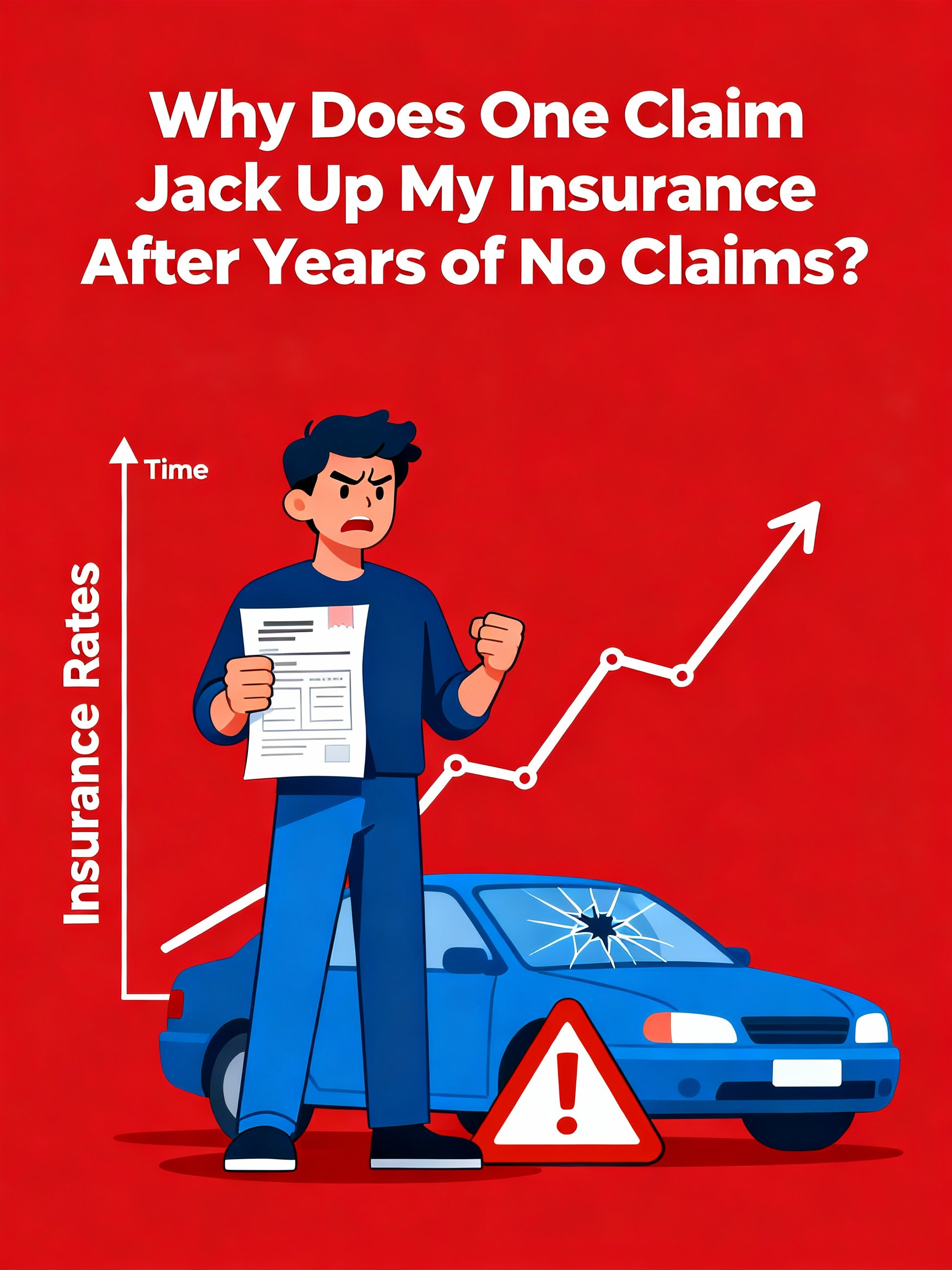
Your driving record is one of the most powerful pricing tools insurers use. A single speeding ticket or at-fault accident can raise premiums by 20% or more. Multiple violations lead to compounding increases. Even small claims can signal higher future risk.
Skyrocketing Repair Costs
Modern vehicles are filled with expensive components and specialized materials. What once cost hundreds to fix can now cost thousands. Parts shortages and labor delays further inflate claims costs, which ultimately get passed along to consumers.
More Frequent and More Severe Accidents
Since the pandemic, both the number and severity of crashes have increased. Distracted driving—especially from mobile device use—has driven up claim frequency and bodily injury losses, contributing to higher payouts.
Rising Medical and Legal Expenses
Medical care following accidents is far more expensive than it was a decade ago. At the same time, jury awards in personal injury cases have grown dramatically. These “nuclear verdicts” significantly increase insurers’ financial exposure.
Fraud and Litigation
Staged accidents, inflated medical billing, and exaggerated repairs add billions in losses each year. Even when fraud is uncovered, the investigation and legal defense add substantial costs that affect overall pricing.
Natural Disasters and Uninsured Drivers
Severe weather—hailstorms, wildfires, flooding—causes widespread vehicle losses across the nation. In California, roughly 15% of drivers are uninsured, meaning insured drivers absorb those losses through higher premiums.
The New Normal for Auto Insurance Costs
There is no returning to the pricing of a few years ago. Inflation, advanced vehicle technology, legal trends, and disaster frequency have permanently reshaped the cost structure of auto insurance.
As Karl Susman often explains on Insurance Hour, expecting to pay what you paid two years ago is no longer realistic. Everything costs more—repairs, healthcare, labor, and claims handling.
However, even in this higher-cost environment, smart drivers still have ways to control their personal insurance expenses.
Smart Strategies to Save on Auto Insurance
While you can’t control the market, you can control many of the factors that influence your individual premium.
Shop for Quotes Carefully
In competitive markets, compare quotes from at least three carriers with identical limits and deductibles. In tighter markets like California, availability may be limited, but comparison is still worthwhile.
Raise Your Deductible
Increasing your deductible from $500 to $1,000 or more can significantly lower your premium. This strategy works best for drivers who maintain emergency savings to cover small losses.
Avoid Filing Small Claims
Frequent minor claims often cost more in long-term premium increases than the claim payout itself. Insurance is best reserved for major losses.
Maximize All Available Discounts
Drivers may qualify for savings through:
- Good driver or good student programs
- Policy bundling
- Safety features
- Professional or membership affiliations
Combined discounts can materially reduce premiums.
Consider Telematics Programs
Usage-based programs track driving habits through apps or devices. Safe drivers can save up to 30% by demonstrating low-risk behavior.
Bundle Multiple Policies
Combining auto with home, renters, or condo insurance often results in meaningful multi-policy discounts. Even a low-cost renters policy can unlock savings.
Improve Your Credit Profile
In many states, credit-based insurance scores affect pricing. Paying bills on time, lowering debt, and correcting credit report errors can help stabilize rates.
Reevaluate Coverage on Older Vehicles
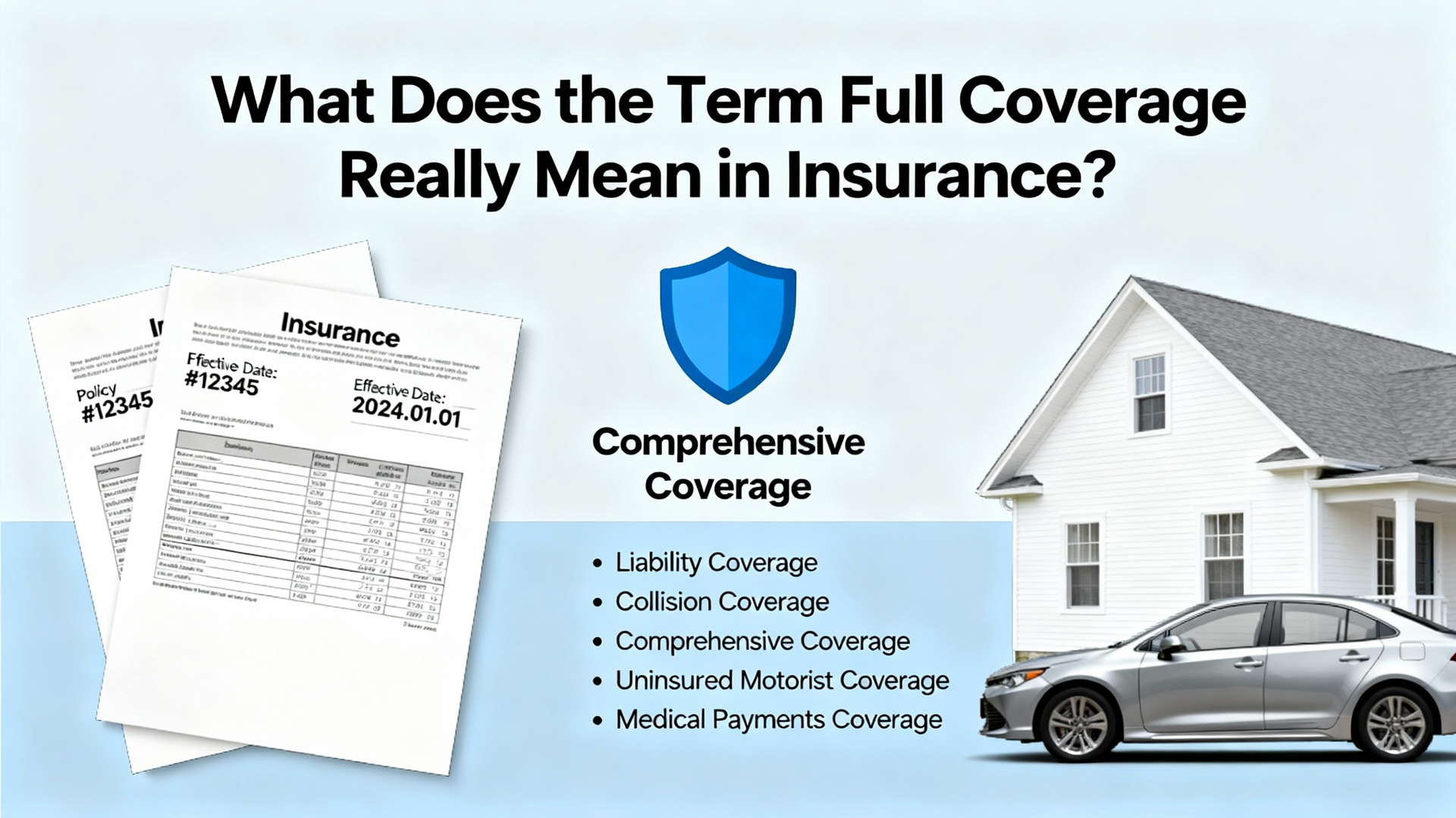
If your car’s value is low, carrying collision and comprehensive coverage may not be cost-effective. Maintaining liability while dropping physical damage coverage can reduce premiums.
Use Auto-Pay or Pay in Full
Many insurers offer discounts for paying in full or enrolling in automatic payments. Preventing a lapse in coverage is equally important for protecting future pricing.
Verify Low Mileage
If you drive less than average, certified mileage programs and odometer verification can qualify you for additional savings.
A Cultural Shift in How Insurance Is Used
One of the key lessons from today’s market is that insurance should be used strategically. It is designed to protect against serious financial loss—not every minor repair.
By maintaining good credit, avoiding unnecessary claims, and driving safely, consumers can stabilize their own costs while contributing to a healthier insurance system overall.
Final Thoughts
Auto insurance rates are rising for reasons far beyond any one driver’s control—advanced vehicle technology, healthcare inflation, legal verdicts, fraud, and climate-driven disasters all play a role.
But while the industry is changing, informed drivers still have power over their own outcomes. Smart policy choices, disciplined driving habits, and proactive review of coverage can make a significant difference over time.
As Karl Susman puts it, insurance isn’t flashy—but it is essential. And the more you understand it, the more control you gain over both your protection and your budget.